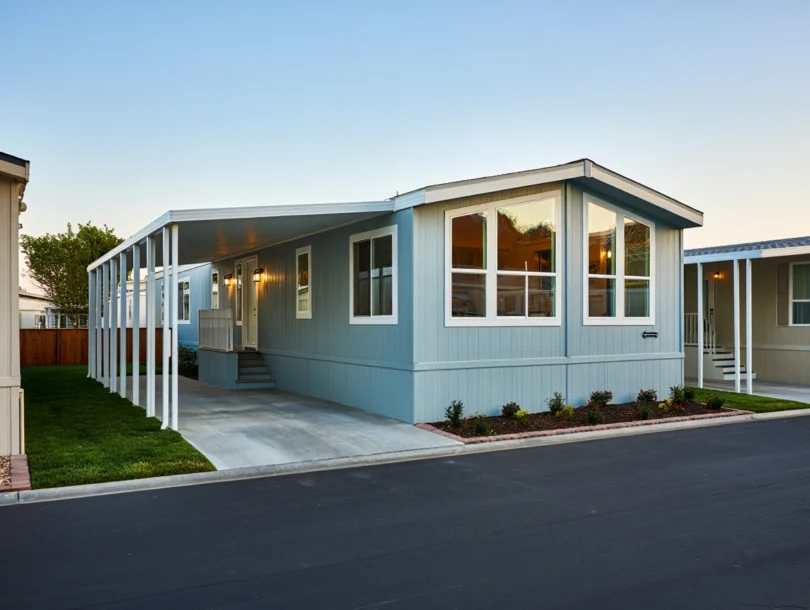

Manufactured and modular homes offer an affordable path to homeownership, representing quality housing and financial freedom for millions of Americans. However, these unique structures present distinct insurance challenges compared to traditional stick-built homes. Standard HO-3 homeowners policies are often unavailable or insufficient, making specialized coverage a necessity. Finding the right protection means looking beyond generic insurance brands and identifying the carriers who truly understand the specific risks involved. This comprehensive guide reviews the best manufactured home insurance companies of 2025, detailing the coverage differences, explaining what to look for in a quality policy, and helping you navigate the complexities of securing comprehensive mobile home insurance. Whether you call it a manufactured home or a mobile home insurance, the need for specialized coverage is paramount.
Table of Contents
The Specialized Need Why Manufactured Homes Require Unique Insurance
A manufactured home, built to Housing and Urban Development (HUD) standards, or a mobile home, built before the HUD code was enacted in 1976, is structurally different from a site-built house. These differences necessitate a specialized insurance product, often referred to as an HO-7 policy or a specialty mobile home insurance policy.
Key Differences Impacting Insurance:
- Construction: Manufactured homes are designed to be moved, making them more susceptible to wind and transport damage.
- Perils: They are generally more prone to damage from high winds, fire, and shifting due to their placement on a chassis and foundation system.
- Valuation: Calculating the replacement cost for a manufactured home requires expert knowledge, as the cost of sections and re-anchoring can be complex.
Because of these factors, many generic carriers decline coverage. This drives consumers to seek companies recognized for issuing the best manufactured home insurance companies policies available. The HO-7 is the dedicated solution for home insurance mobile home owners.
Unpacking the Coverage What a Quality Mobile Home Insurance Policy Includes
A great mobile home insurance policy should mirror the protections offered by a standard homeowners policy but be tailored to the manufactured structure. When assessing the best manufactured home insurance companies, ensure their policies meet these four core coverage areas:
1. Structure Coverage (Dwelling)
This covers the physical unit itself, including any attached structures like porches, carports, and awnings. Crucially, manufactured home policies should offer Replacement Cost coverage, which pays to rebuild the home new, without deducting for depreciation.
- Actual Cash Value (ACV) Warning: Many standard providers attempt to sell homeowners insurance mobile policies on an ACV basis, which deducts for depreciation. Given the typically rapid depreciation rate of manufactured homes, an ACV settlement might leave you massively underfunded for a full replacement after a total loss. The best manufactured home insurance companies prioritize Replacement Cost.
2. Personal Property Coverage
Covers your belongings inside the home (furniture, electronics, clothing) against covered perils. Look for endorsements that allow you to cover high-value items, such as jewelry or art, that may exceed standard limits.
3. Other Structures
Covers detached structures like sheds, garages, and carports. This is particularly important for owners who have invested in permanent additions to their primary unit.
4. Liability Protection
Essential coverage that protects your personal assets if someone is injured on your property or if you are found financially responsible for damage to others. Because liability claims are frequent and severe, this coverage should have limits of at least 300,000$.
Who Are the Best Manufactured Home Insurance Companies in 2025?
The market for mobile home insurance is dominated by specialist carriers who have built their business model around this unique risk category. These companies are generally known for flexible underwriting, comprehensive policy forms (HO-7), and superior claims handling for manufactured structures.
1. Foremost Insurance Group (A Farmers Insurance Company)
Foremost is considered a leader in the specialty insurance market and is consistently ranked among the best manufactured home insurance companies. They have decades of experience insuring structures that fall outside the traditional homeowners category.
- Specialty: Wide range of policy options, flexible underwriting for older homes, and excellent coverage for custom features.
- Key Advantage: Offers specialized endorsements specifically addressing challenges like park model coverage, loss assessment, and trip collision for homes being moved. Their experience with home insurance mobile home policies is unmatched.
2. Assurant
Assurant is another major player in the specialty property market. They focus on providing insurance products for housing that presents unique risk profiles, including manufactured and modular homes.
- Specialty: Strong financial backing, reliable claims service, and competitive pricing in certain regions, particularly for newer manufactured homes.
- Key Advantage: Often integrates easily with mortgage companies, simplifying the required proof of insurance.
3. State Farm
While State Farm offers traditional HO-3 policies, they are one of the few standard national carriers that also write dedicated HO-7 or specialized mobile home insurance coverage effectively.
- Specialty: Excellent customer service ratings, local agent networks for personalized service, and great bundling opportunities if you insure your auto or life policies with them.
- Key Advantage: Ideal for those who value having all their insurance lines with one national, highly-rated company.
4. American Modern Insurance Group (AMIG)
AMIG excels in the specialty dwelling market, offering comprehensive coverage options for both site-built and manufactured homes, often through independent agents.
- Specialty: Known for covering a wide variety of risks, including vacant or seasonal manufactured homes, which many other carriers will reject.
- Key Advantage: Flexibility in policy structure, making them experts in providing specific coverage for older or custom units, cementing their place among the best manufactured home insurance companies.
Factors Governing Your Mobile Home Insurance Cost
The premium for mobile home insurance is calculated using many of the same general factors as standard home insurance, but with added emphasis on the unique risks associated with manufactured housing.
1. Age of the Home
Age is a more significant rating factor than it is for stick-built homes. Older mobile homes (pre-1976 HUD code) are generally more expensive to insure due to their weaker construction standards. Newer manufactured homes (post-2000) benefit from significantly reduced rates.
2. Location (Park vs. Private Land)
Where the home is secured drastically impacts the price.
- Private Land: Homes permanently affixed to private land often receive lower premiums because they are considered more stable and less prone to wind damage than homes in rental parks. Homes on private lots are often easier to secure with homeowners insurance mobile policies.
- Mobile Home Parks: Premiums may be higher due to increased risk of fire spread, potential theft from close proximity, and park-level maintenance issues.
3. Tie-Downs and Foundations
Insurers require verification that the home meets strict standards for tie-downs and anchoring, especially in high-wind regions. A permanent foundation significantly reduces the mobile home insurance cost because it presents a lower wind risk.
4. Replacement Cost Versus Actual Cash Value
As discussed, choosing Replacement Cost coverage (highly recommended) will result in a higher premium than ACV, but the investment is vital. When comparing quotes from the best manufactured home insurance companies, always ensure you are comparing like-for-like valuation methods.
Essential Endorsements for Manufactured Homes
To ensure you have maximum protection, your mobile home insurance policy should include several critical endorsements often excluded from the base policy:
- Trip Collision Coverage: If your home needs to be moved temporarily for repairs or permanently relocated, a standard policy will not cover damage incurred during the move. This endorsement is necessary if the home is ever considered “mobile” again.
- Vermin/Pest Damage: Due to the nature of their installation, manufactured homes can sometimes be more susceptible to infestations (e.g., rodents, termites) accessing the undercarriage. This coverage protects against the resulting structural damage, filling a significant gap in standard homeowners insurance mobile policies.
- Debris Removal: Specific to manufactured homes, this ensures the policy pays the often substantial costs of dismantling and disposing of the manufactured unit following a total loss, such as a fire or severe storm.
Securing the Best Deal Strategies for Lowering Your Premium
Even after identifying the best manufactured home insurance companies and securing comprehensive coverage, there are strategies you can employ to minimize your annual premium.
1. Increase Safety Features
Inspections by a qualified contractor to ensure proper foundation anchoring, tie-downs, and skirting can often yield discounts. Additionally, installing security systems and smoke detectors should be verified by your insurer.
2. Choose Higher Deductibles
Increasing your deductible reduces the insurance company’s risk, immediately lowering the mobile home insurance cost. However, be certain you can afford the out-of-pocket payment should a major claim arise.
3. Bundling Discounts
As with traditional insurance, bundling your manufactured home insurance mobile policy with auto insurance or other specialty lines can generate significant multi-policy discounts, often exceeding 15% of the premium.
4. Avoid Filing Small Claims
Keep small, non-catastrophic claims off your record. Filing two minor claims within a five-year period can lead to steep premium hikes or non-renewal, making the overall lifetime mobile home insurance cost much greater.
The HO-7 Versus HO-3 Policy Comparison
When shopping, be vigilant about the policy form offered. The HO-7 policy is designed specifically for manufactured/mobile homes, offering better protection than a modified HO-3—which is meant for stick-built.
| Feature | StandardHO-3 (Stick-Built) | HO-7 (Manufactured/Mobile) |
|---|---|---|
| Target Structure | Permanent, site-built dwelling | Manufactured home, permanently sited mobile home |
| Wind Risk | Standard coverage | Engineered to address chassis/tie-down wind risk |
| Foundation | Standard concrete slab or basement | Specifically addresses pier and anchoring systems |
| Typical Valuation | Replacement Cost | Often defaults to ACV; must upgrade to Replacement Cost |
Choosing a company that specializes in HO-7 policies means you are dealing with professionals who deeply understand the risks, guaranteeing that your home insurance mobile home policy is robust. Specialized carriers often appear on the lists of best manufactured home insurance companies.
Frequently Asked Questions (FAQ)
Q1: Is there a waiting period for new mobile home insurance policies?
A: Generally, no. Coverage usually begins the moment the policy is bound and the first payment received. However, if you are purchasing flood insurance (which is highly recommended for manufactured homes), there is almost always a 30-day waiting period.
Q2: Can I get homeowners insurance mobile coverage for a very old mobile home?
A: Yes, but it will be harder and more expensive. Many standard carriers reject homes built before 1976. However, specialty carriers like Foremost and American Modern often insure older units, though they will usually require an on-site inspection and may only offer ACV coverage.
Q3: What happens if I move my manufactured home?
A: A standard HO-7 policy will be voided the moment the home is disengaged from its foundation and moved. At that point, you need a specialized Trip Collision endorsement or a separate carrier specializing in transport insurance. This is a critical distinction that the best manufactured home insurance companies clearly articulate.
Q4: Does my mobile home insurance cover damage from frozen pipes?
A: Generally, yes, provided you took reasonable steps to maintain heat and prevent the freeze. This falls under standard structural damage coverage. However, damage from sewer backups requires a specific endorsement.
Q5: How much is mobile home insurance on average?
A: Mobile home insurance cost varies widely based on location and home age, but a standardHO-7 policy with Replacement Cost coverage typically ranges from 800$ to 1,500$ per year for a newer manufactured home, significantly less than a comparably sized stick-built home.
Conclusion
Finding the right protection for your manufactured home requires seeking out carriers with specific expertise. By prioritizing companies recognized as the best manufactured home insurance companies, you ensure your policy adequately addresses the unique structural and liability risks of your investment. Always insist on Replacement Cost valuation, secure comprehensive liability limits, and add essential endorsements like Trip Collision and Water Backup. By understanding the intricacies of home insurance mobile home policies, you can strategically select the most robust coverage available, securing your peace of mind and protecting your valuable home investment.